Key Takeaways
- •The binky (jump + midair twist) is the definitive expression of pure rabbit joy
- •Thumping = alarm, annoyance, or communication — always pay attention
- •The loaf position = comfortable and alert (this is not a health concern)
- •The full flop = complete trust and safety — your rabbit feels totally secure
- •Grooming you = you're in their social group, one of the highest compliments
- •Circling your feet = hormonal behavior that resolves after spaying/neutering
Rabbits Are More Expressive Than People Think
One of the biggest surprises for first-time rabbit owners is discovering how expressive their rabbit is. Rabbits don't meow or bark, and their faces are relatively still — but their body language is rich and readable once you know what to look for.
From explosive expressions of joy to subtle signals of contentment or alarm, rabbits are constantly communicating. Learning this vocabulary transforms how you understand and respond to your rabbit.
Joy: The Binky
If you've never seen a rabbit binky, you'll recognize it immediately when you do.
A binky is when a rabbit leaps into the air and twists their body — sometimes combining multiple jumps and spins in rapid succession. It looks slightly chaotic and a bit alarming the first time.
It is the purest expression of rabbit happiness. Binkying means your rabbit is experiencing genuine joy.
Rabbits binky when:
- They have enough space to run freely
- They've been let out of their enclosure after a period of confinement
- Something delicious has arrived
- They're in a particularly good mood
The frequency of binkies is a reasonable welfare indicator. A rabbit who never binkies may not have enough space or enrichment. A rabbit who binkies regularly when given free time is thriving.
Full binky bunnies also incorporate a dramatic "flop" at the end of a binky session — throwing themselves onto their side and lying perfectly still. This can alarm new owners who think something is wrong. It's the opposite: complete, blissful relaxation after the joy of binkying.
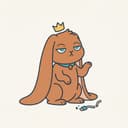
“I binked six times in the corridor. This was a performance. You were meant to witness it. Your applause is appreciated but not required.”
Communication: The Thump
A thump is exactly what it sounds like: a rabbit slamming one or both hind feet against the ground, producing a distinctive, loud sound.
Thumping communicates several things:
Alarm: In the wild, thumping warns other rabbits of danger. Your rabbit thumps when they perceive something threatening — an unfamiliar sound, a new smell, a sudden movement.
Annoyance: Rabbits also thump when annoyed — when you do something they don't like (stop petting them, move them, change their environment). This is a clear "I disapprove" message.
Demanding attention: Some rabbits thump to communicate "pay attention to me" or "I want what you have."
Always take thumping seriously. If your rabbit suddenly begins thumping repeatedly without obvious cause, check their environment — sometimes they're detecting sounds or animals outside that you can't perceive.
Rest Positions
The Loaf
The loaf position: rabbit sitting with all four legs tucked underneath their body, back flat, ears up or slightly back, resembling a loaf of bread.
This is comfortable rest. Your rabbit is alert but relaxed. This is NOT a health concern (new owners sometimes worry). A loaf rabbit is content.
The Full Flop
The complete opposite of alert: rabbit lying on their side, fully stretched out, limbs extended, possibly with eyes half-closed.
The flop is a significant signal. Rabbits are prey animals — lying on their side leaves them completely vulnerable. A rabbit only does this when they feel entirely safe.
If your rabbit flops in your presence, this is a high compliment. They trust you completely. They feel safe.
New owners sometimes panic when their rabbit first flops because it looks like they've suddenly collapsed. Look for: open eyes, relaxed breathing, normal color. A flopped rabbit is completely fine.
Sitting Hunched
Contrasted with the comfortable loaf: a rabbit sitting with their back arched, hunched forward, not in the classic loaf shape, often with eyes half-closed but not in a relaxed way.
This is the pain/illness posture. A hunched rabbit is in discomfort. Combined with no droppings, no eating, or teeth grinding, this is a GI stasis emergency signal.
Social Behaviors
Grooming You
When your rabbit licks your hands, arms, or face, they're treating you as a social companion. Rabbits groom their bonded partners. Being groomed by your rabbit is a genuine expression of affection — you're in their social group.
Circling Your Legs
A rabbit circling repeatedly around your feet, often making small sounds, is showing hormonally-driven behavior — essentially, attraction. This is most common in unneutered males and unspayed females.
This behavior almost completely resolves after spaying/neutering, which has significant health benefits beyond just behavioral ones (especially important for females: unspayed females have a very high risk of uterine cancer).
Nudging and Demanding
Rabbits will nose-push things they want moved, including you. A nose-push to your hand or leg is often "pet me." A nose-push to an object is "move this." They are very clear about what they want.
Teeth Sounds
Loud tooth grinding: Pain signal. Occurs in GI stasis, dental problems, injury. Seek veterinary attention.
Soft tooth purring: Happiness and contentment — similar to a cat's purr but softer. Occurs when being stroked in a preferred way.
🩺
Have a concern about your rabbit?
Browse our species-specific care guides for expert advice on diet, housing, health, and behavior.
Explore Care Guides